Studies — 2013 / 2017
Process & research
Adaptive surfaces, pinhole exposures, a walnut luminaire, interlocking hands, the smaller experiments in light, material and craft that sit underneath the larger projects.
- 01Pinhole Camera — The lights of Marfa, Texas
- 02Wood Joint — Interlocking parts
- 03Shell — Adaptive components
- 04Surface — Grasshopper & 3ds Max
- 05Wolke — Luminaire
- 06Forms — Space, motion & material
Sketchbook — Graphite, charcoal, ink, watercolor
Studies
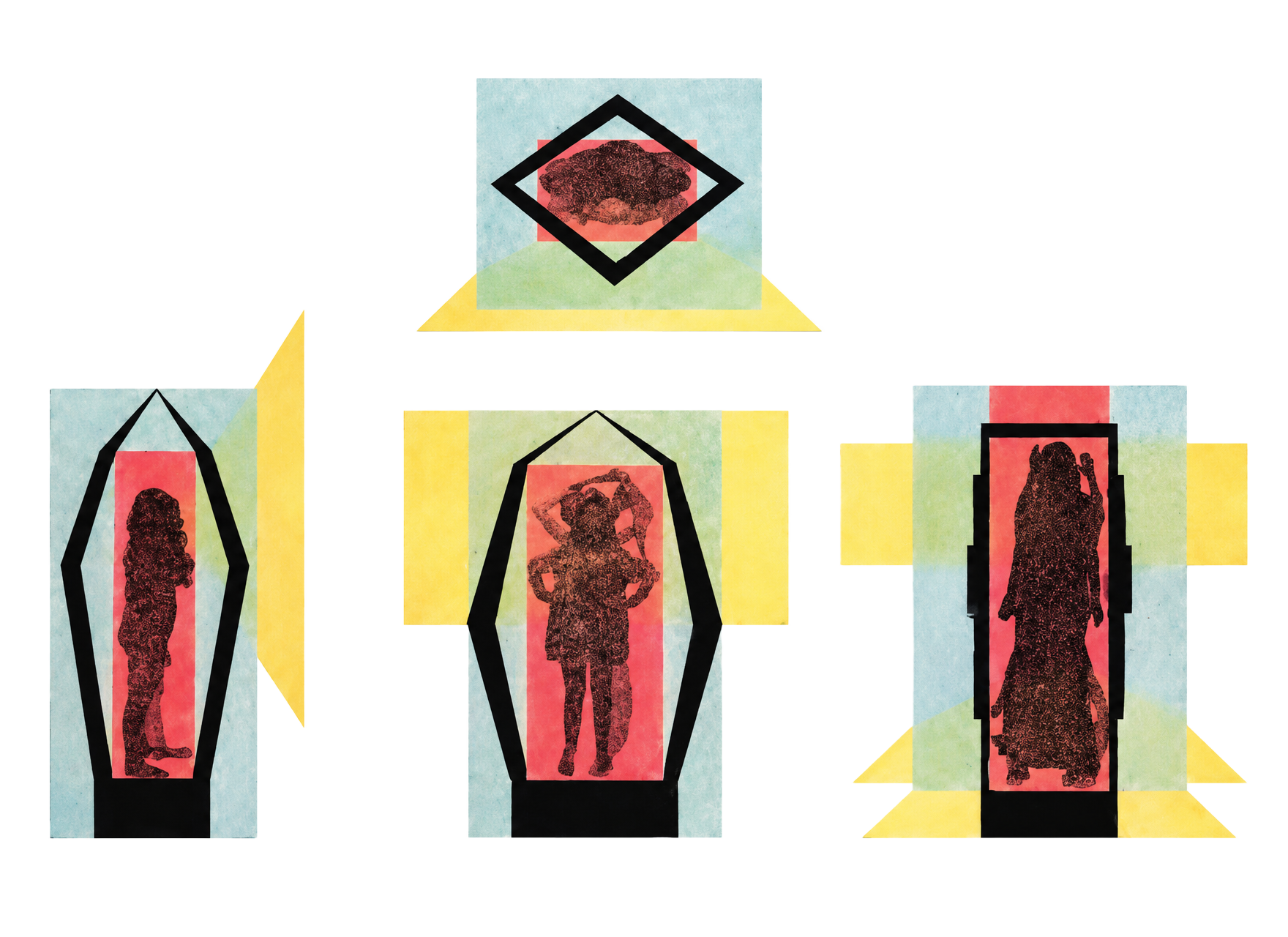
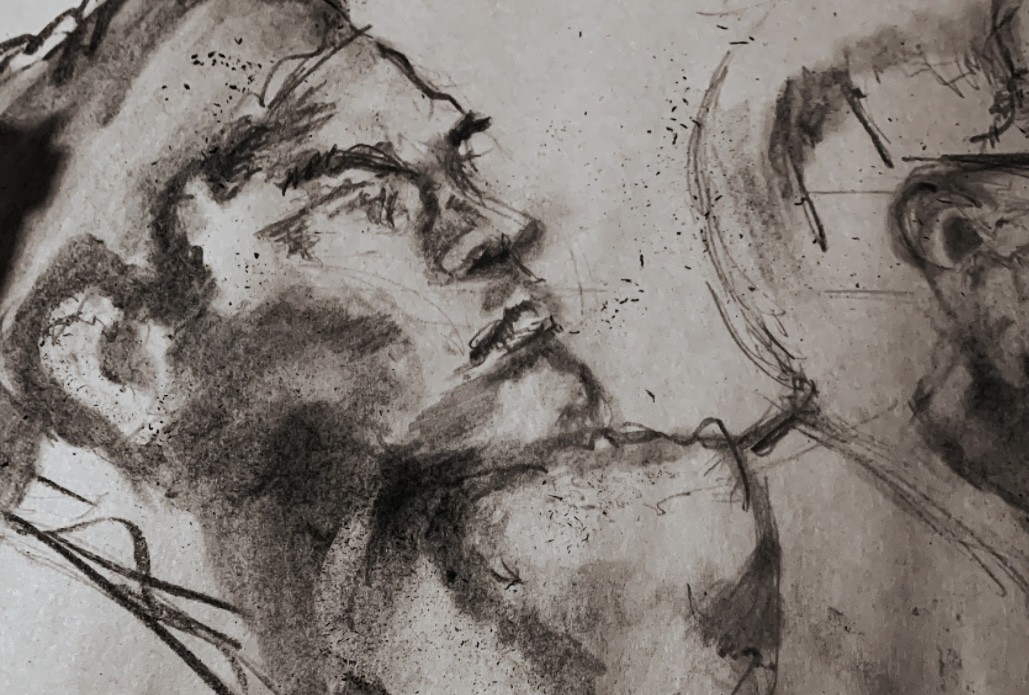
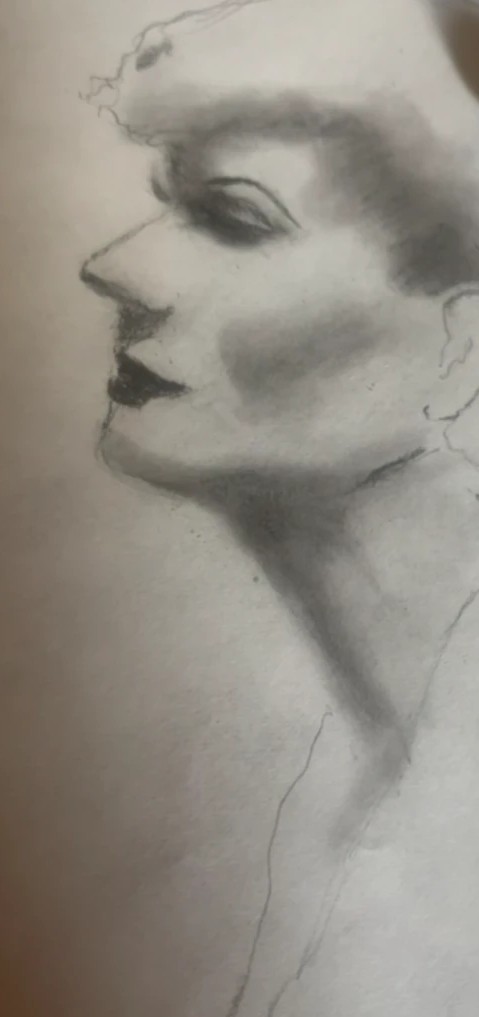
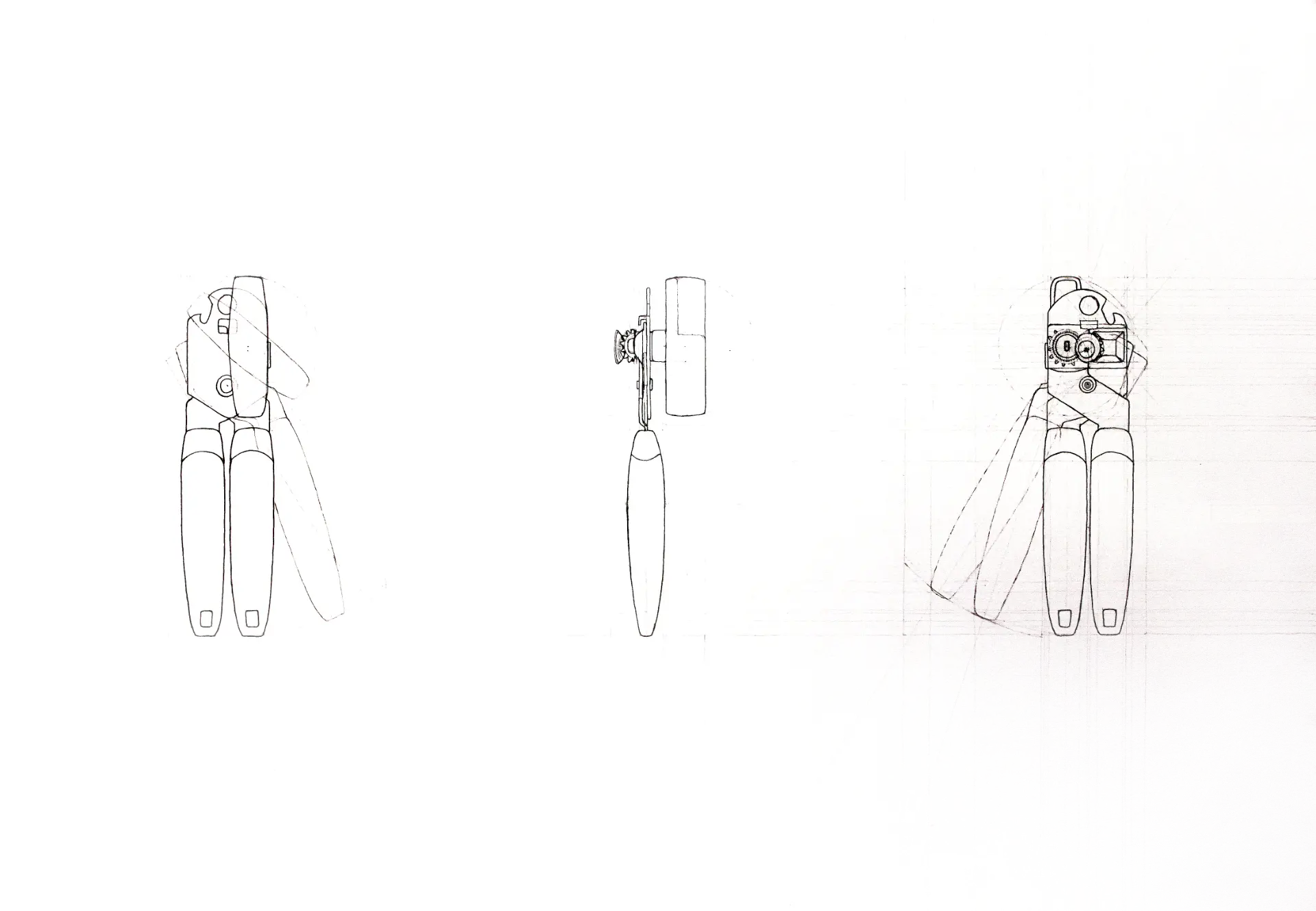
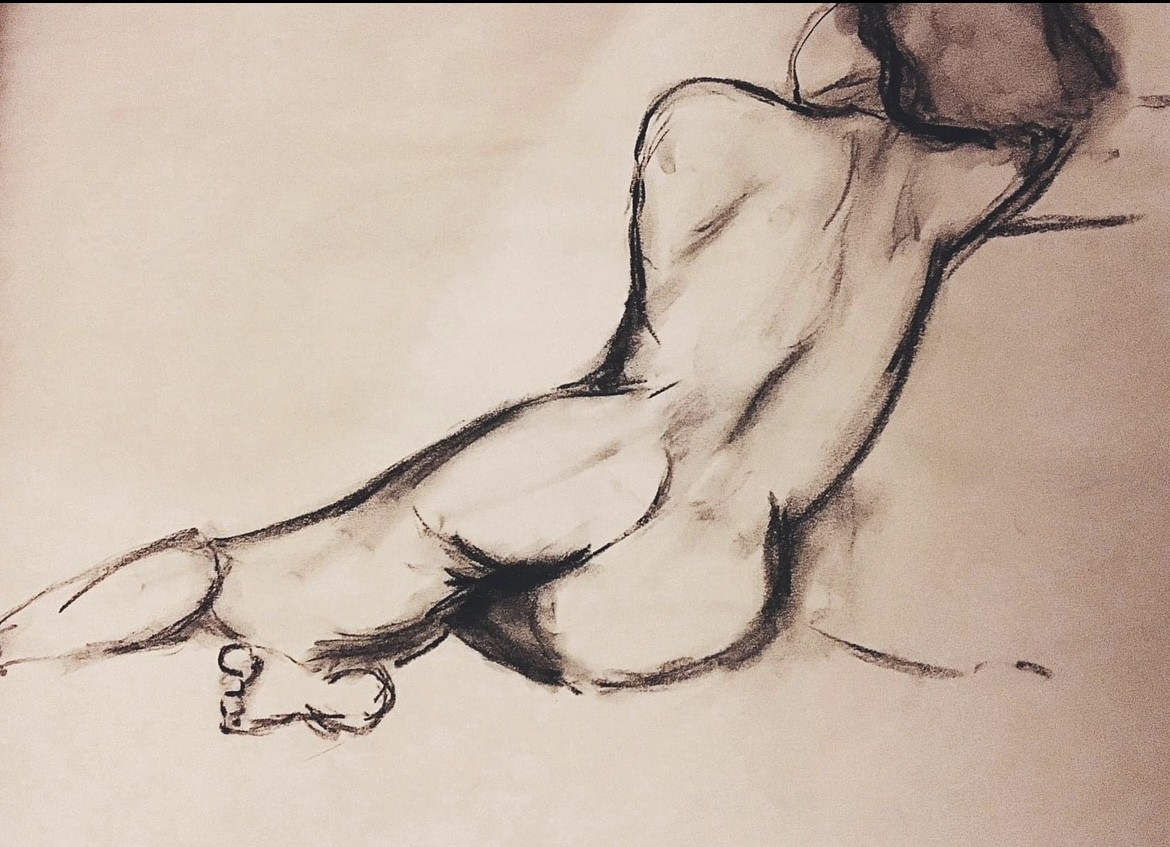
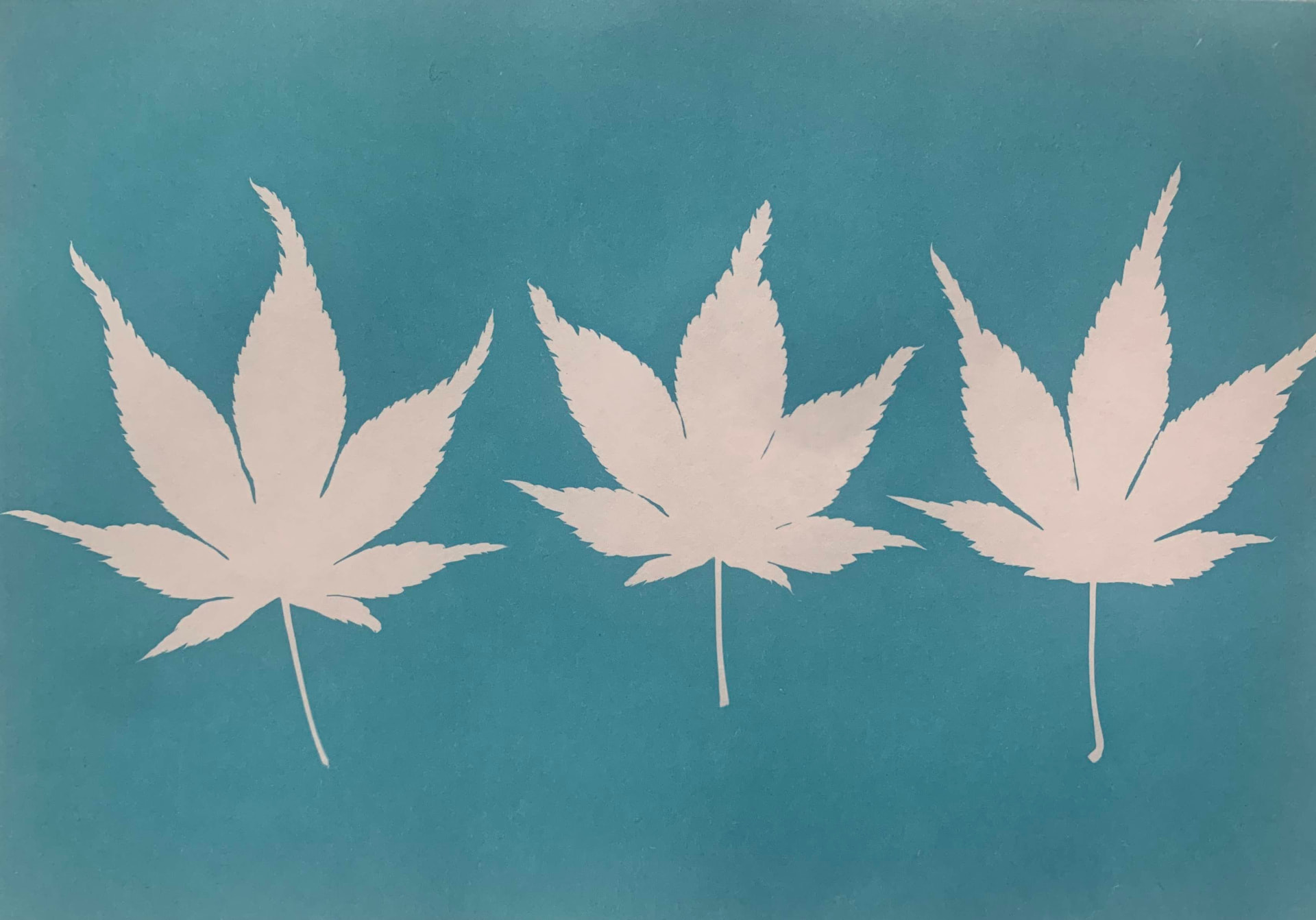
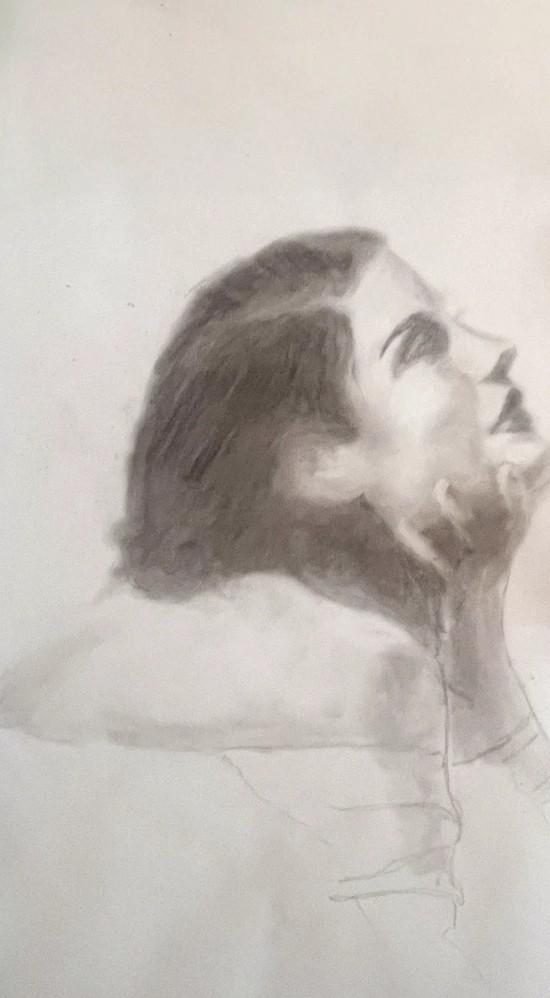
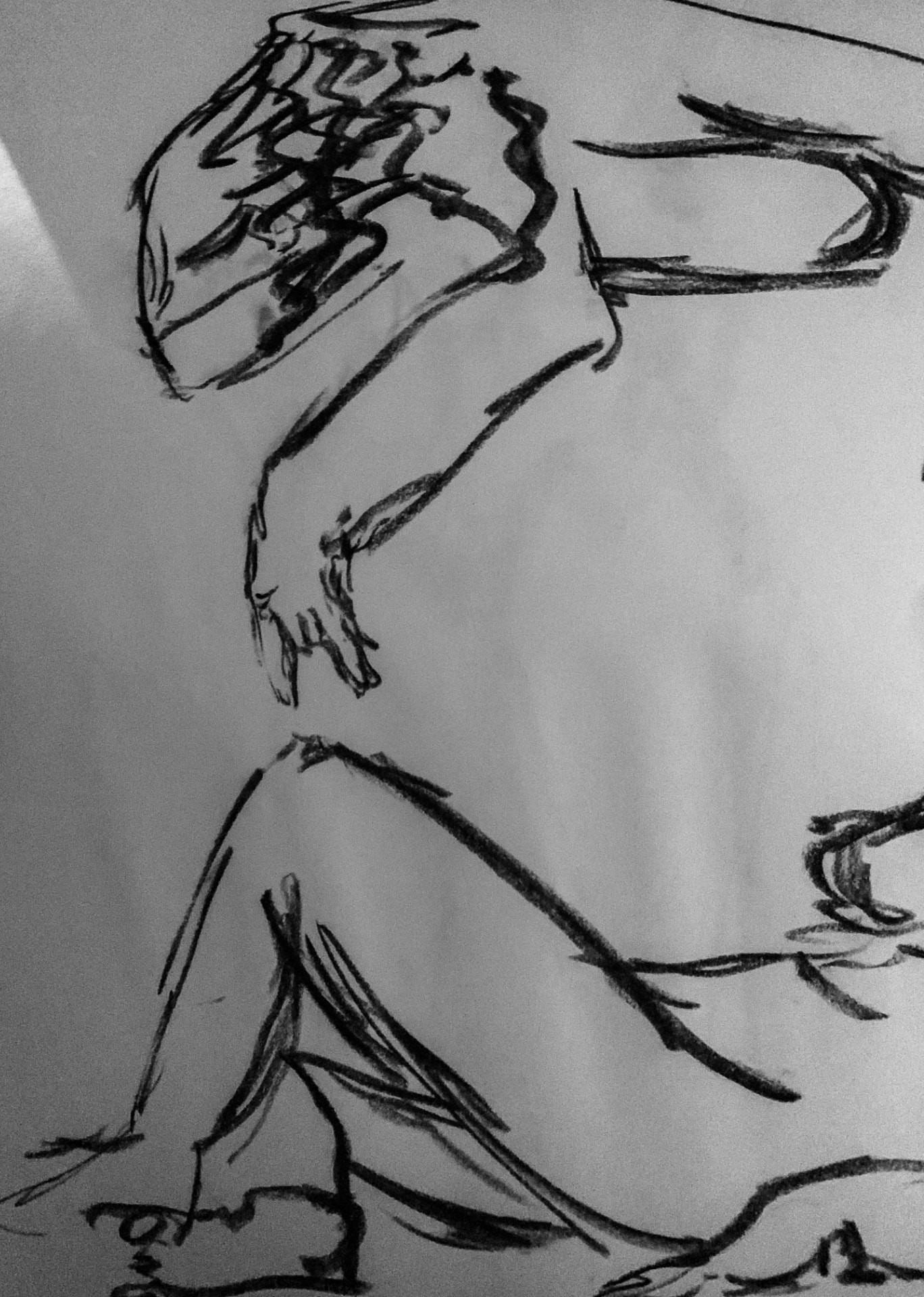
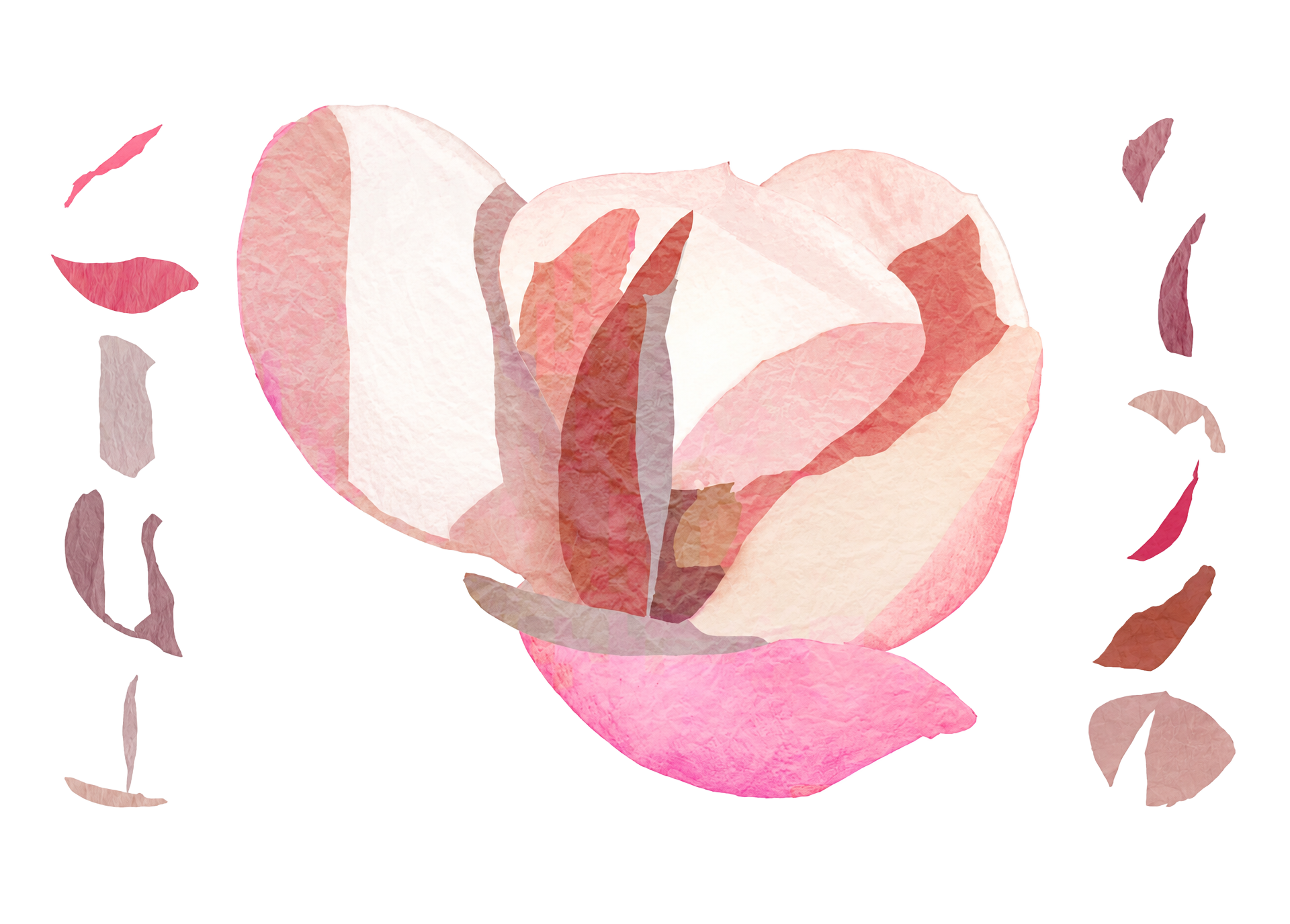
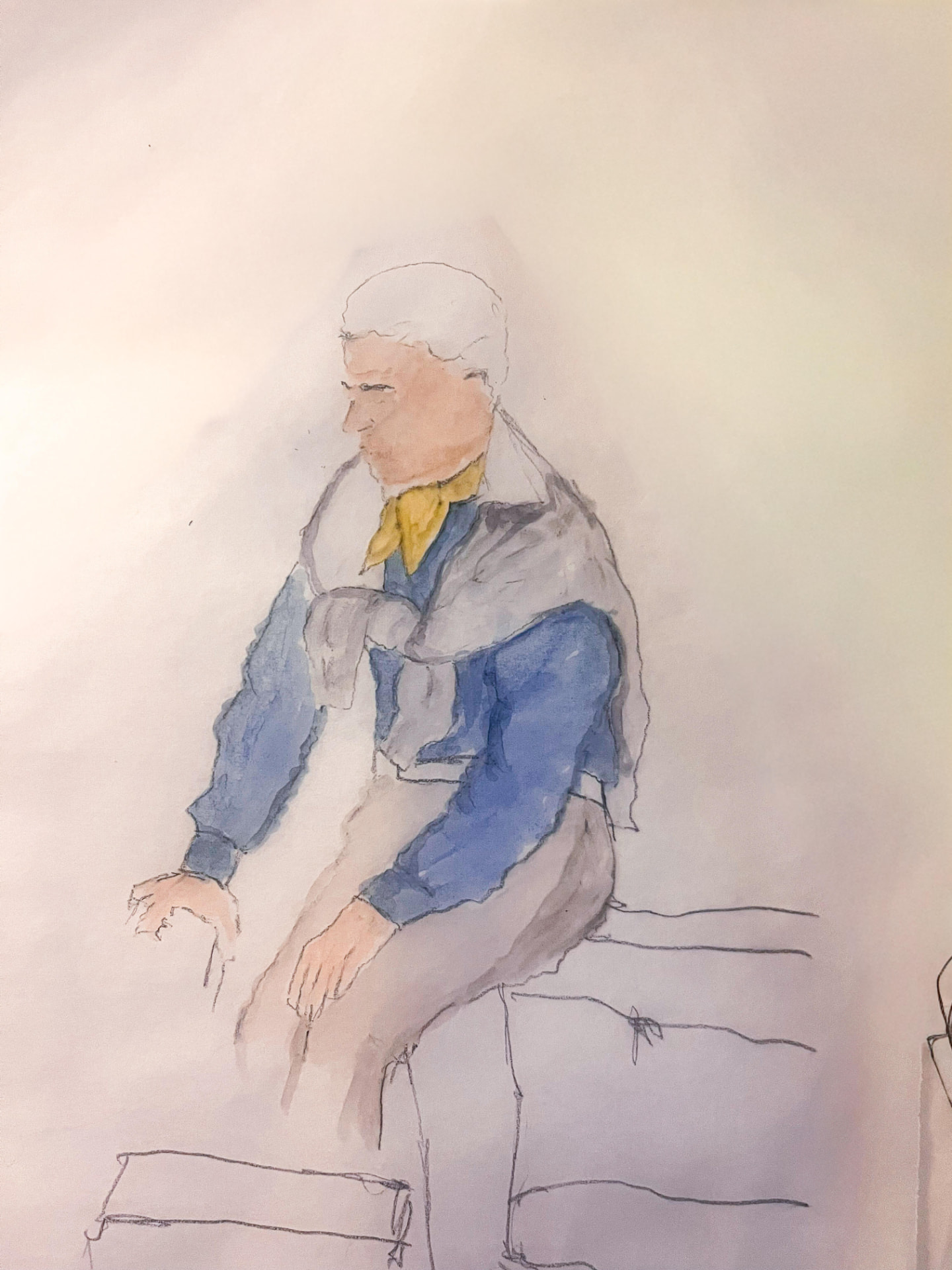
Figure, portrait and geometry studies from the sketchbook, drawn by hand to train the eye for proportion, weight and line.
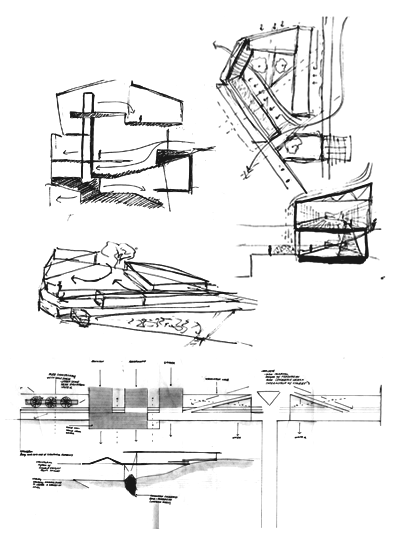
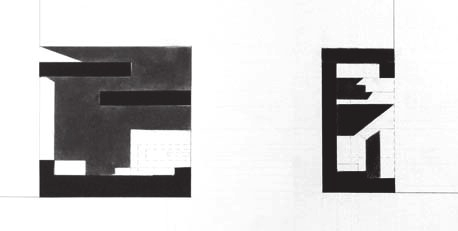
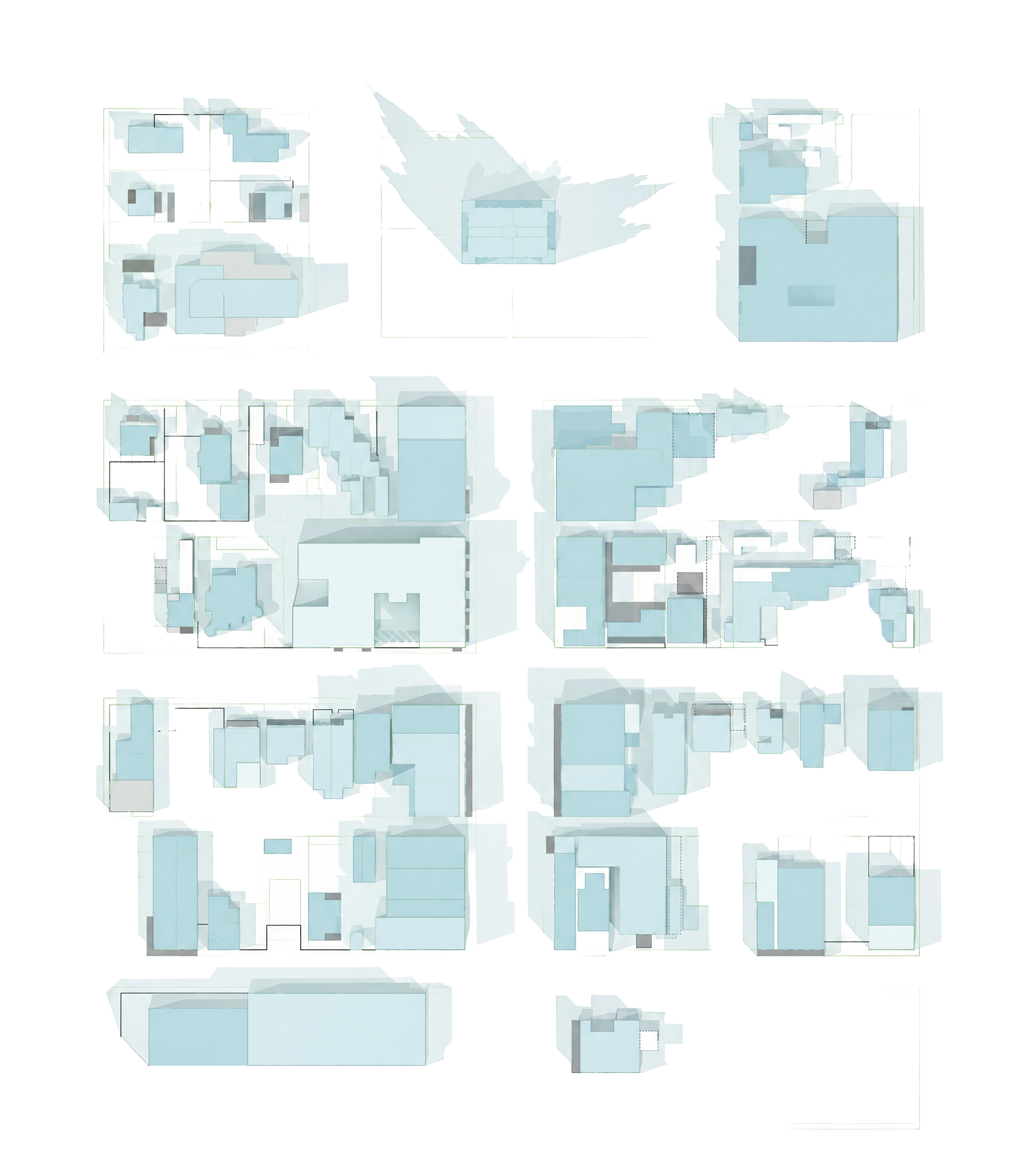
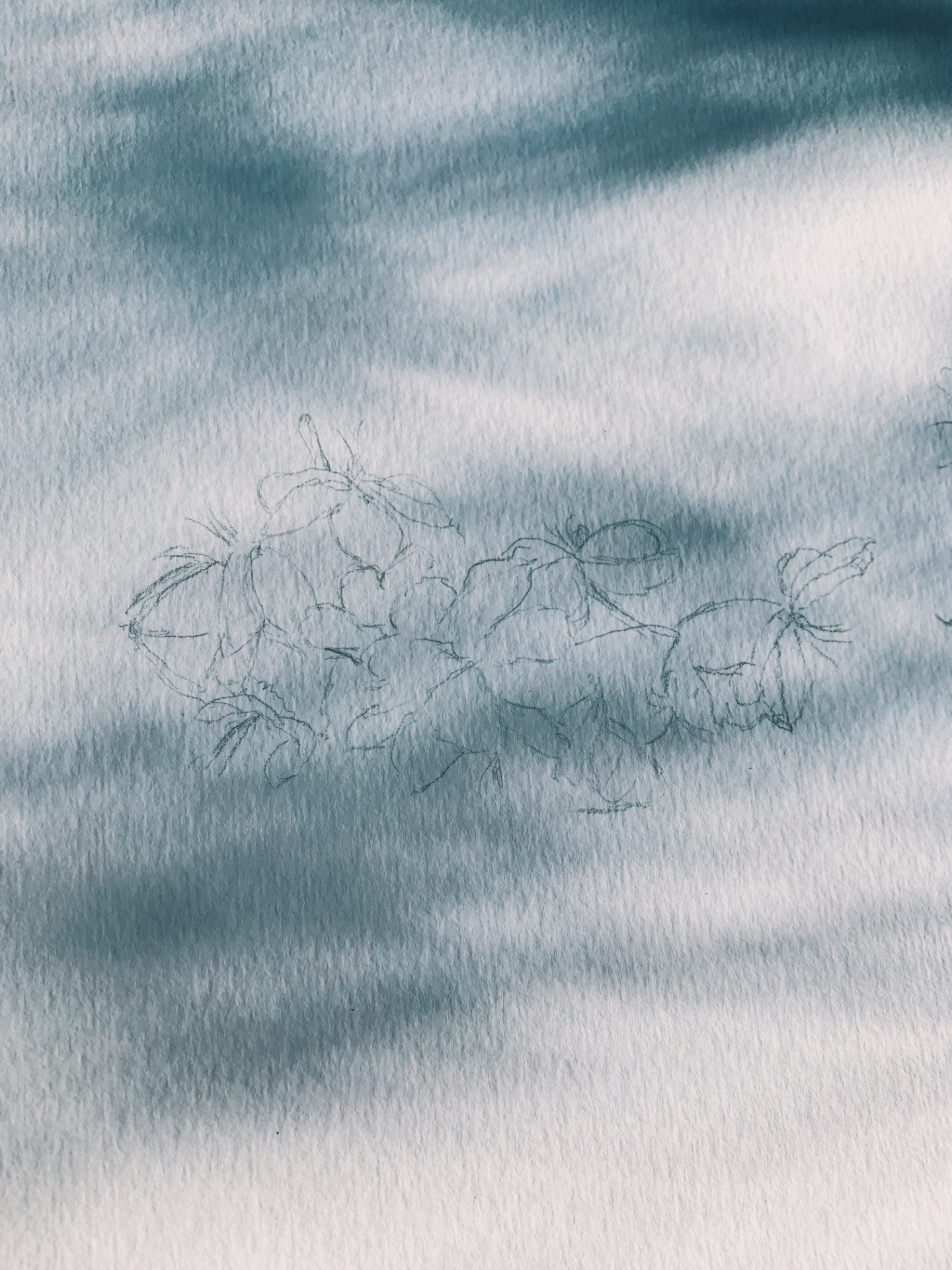
Architectural — linework studies
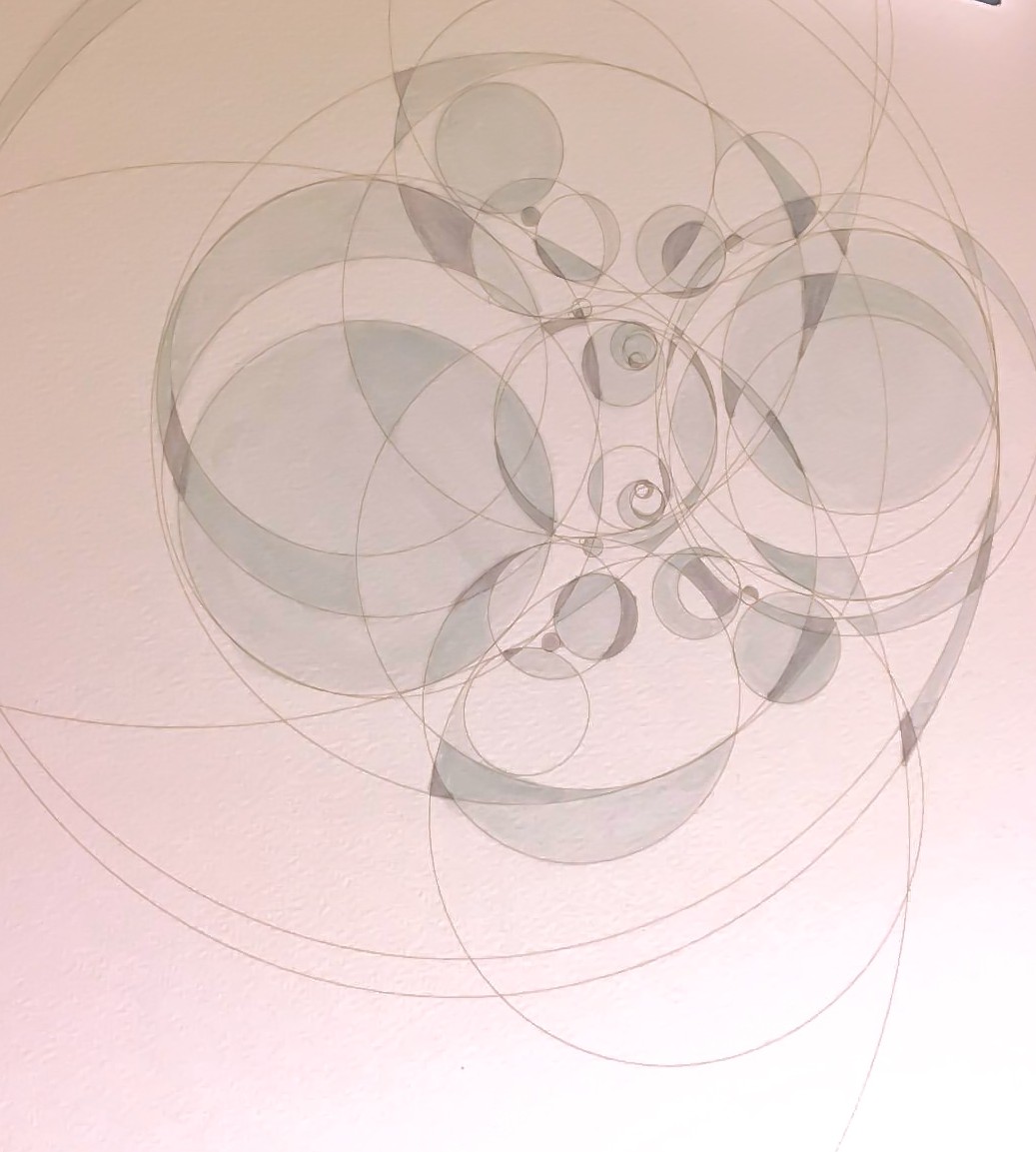
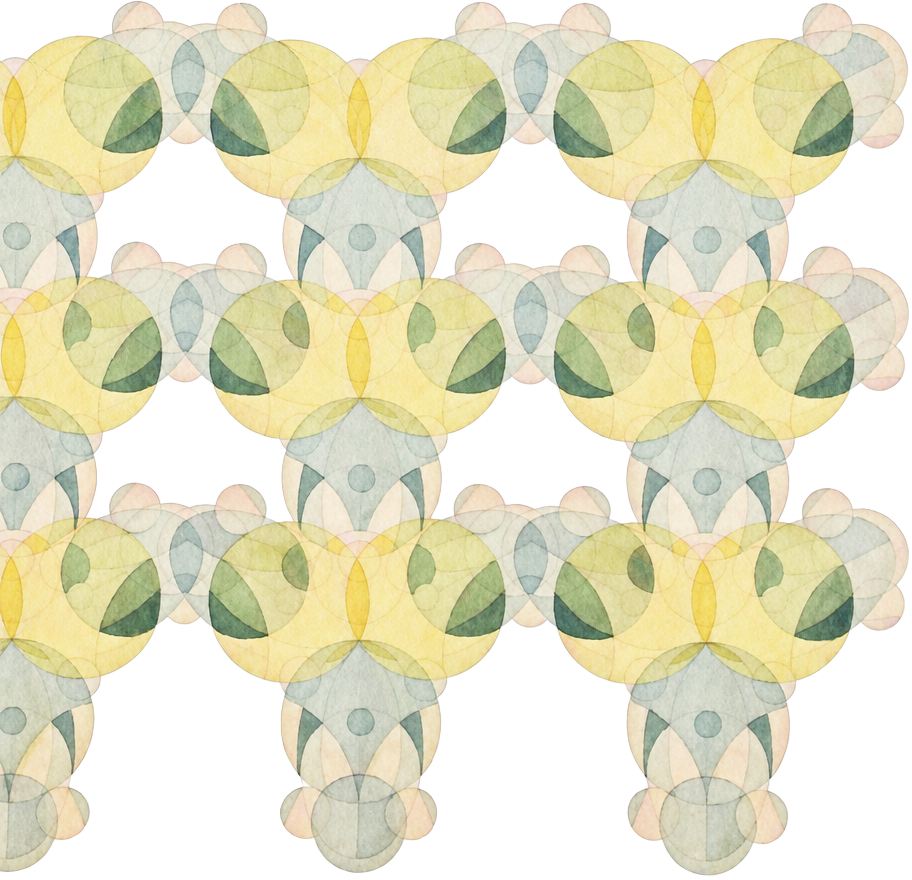
Watercolor — circular study
01 — The lights of Marfa, Texas
Pinhole Camera
Design Studio — Fall 2015
Marfa, Texas
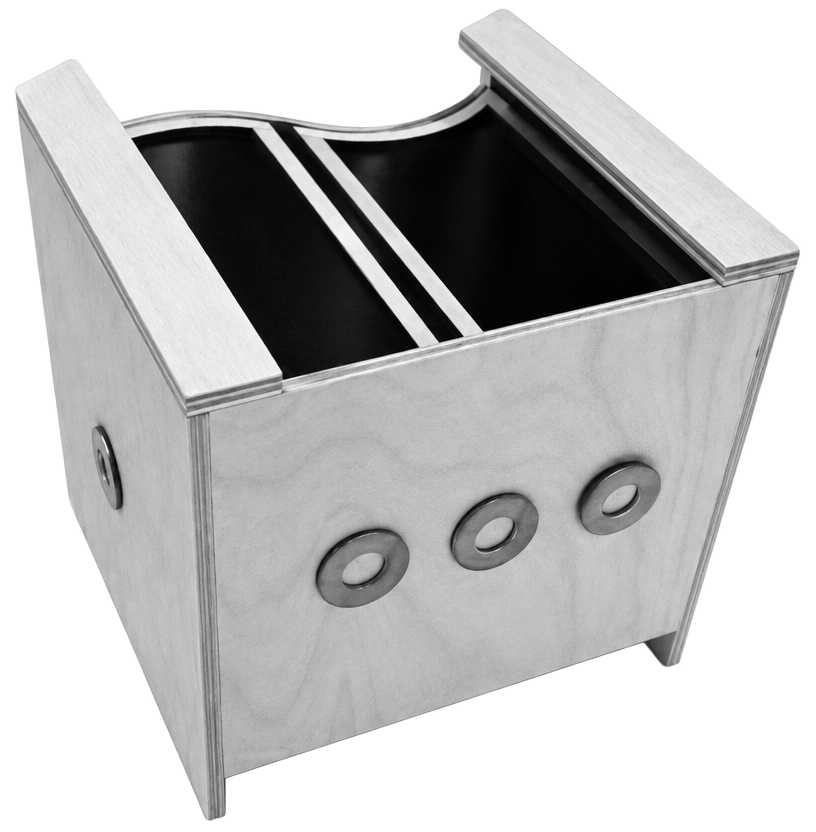
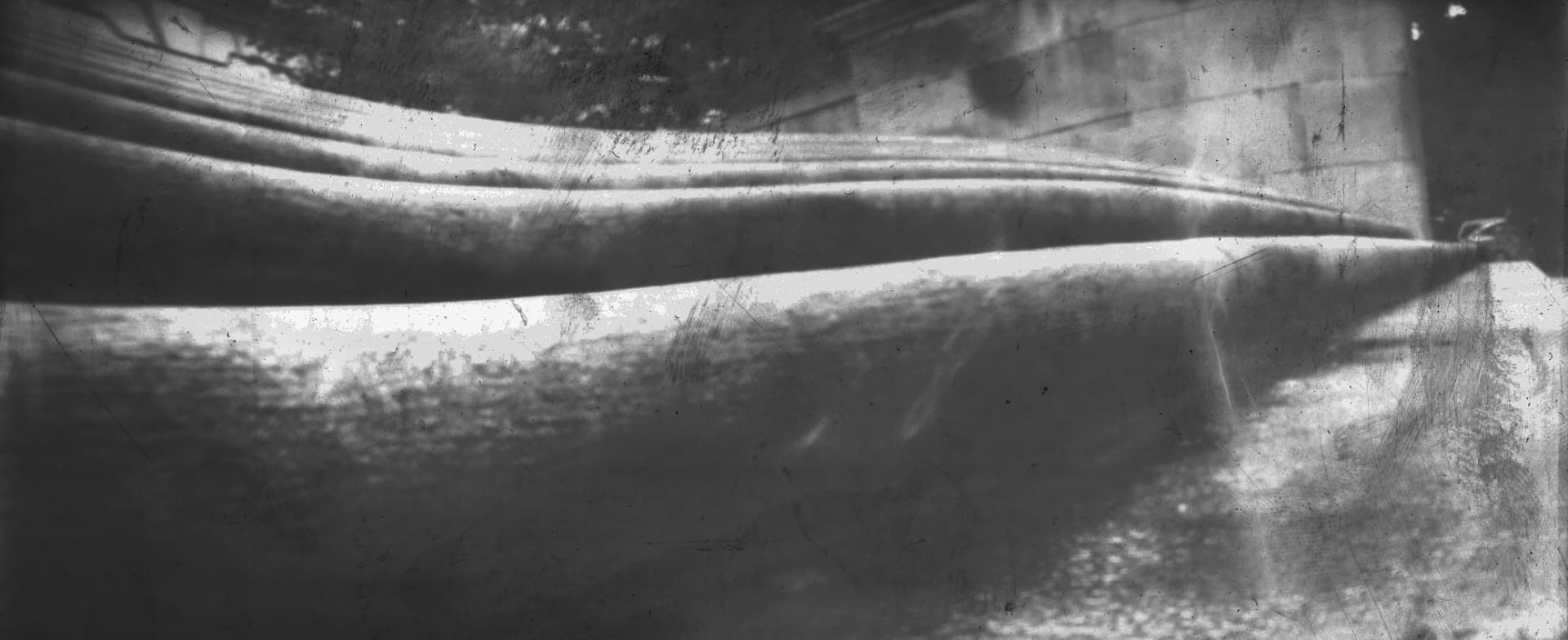
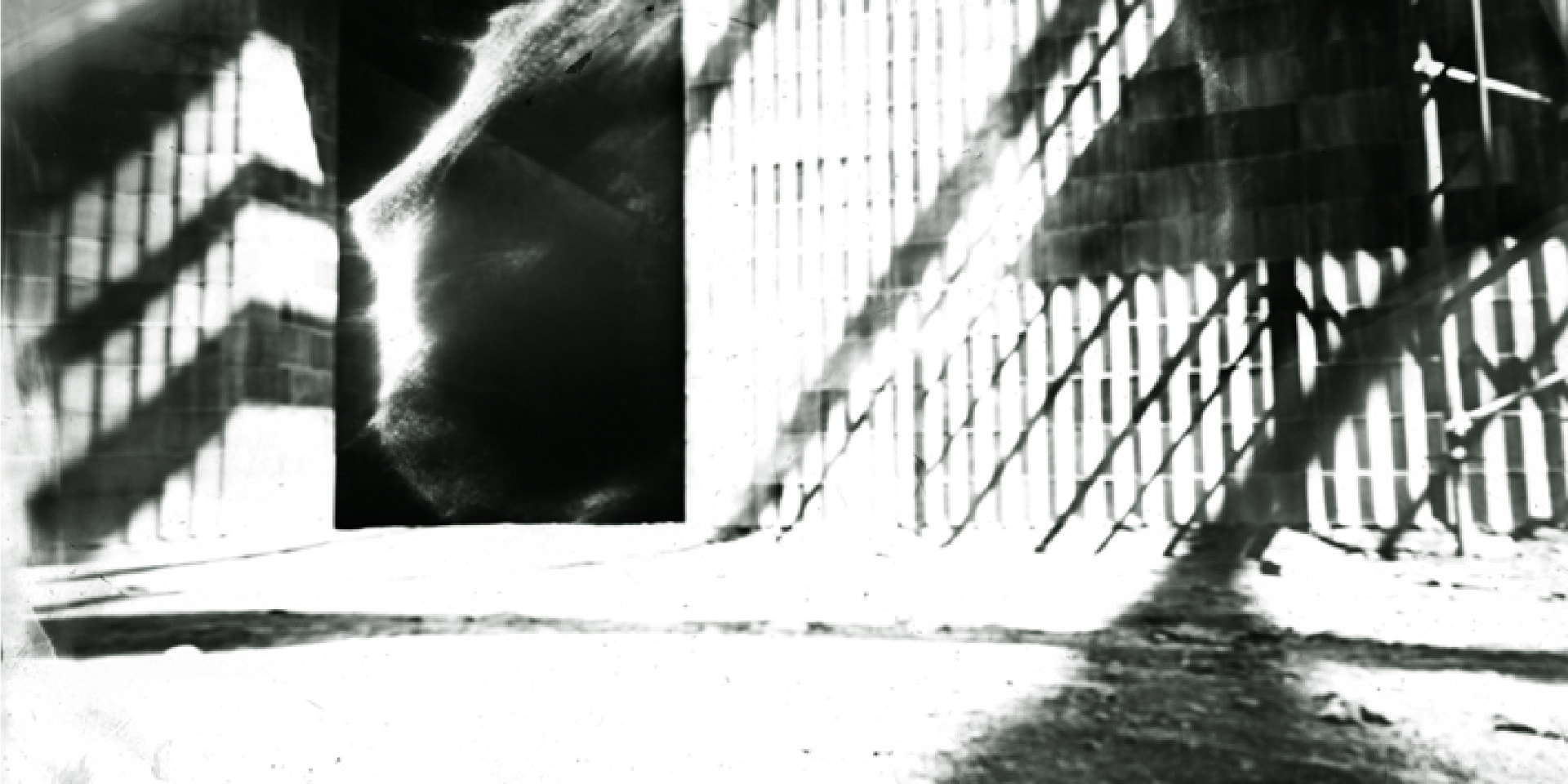
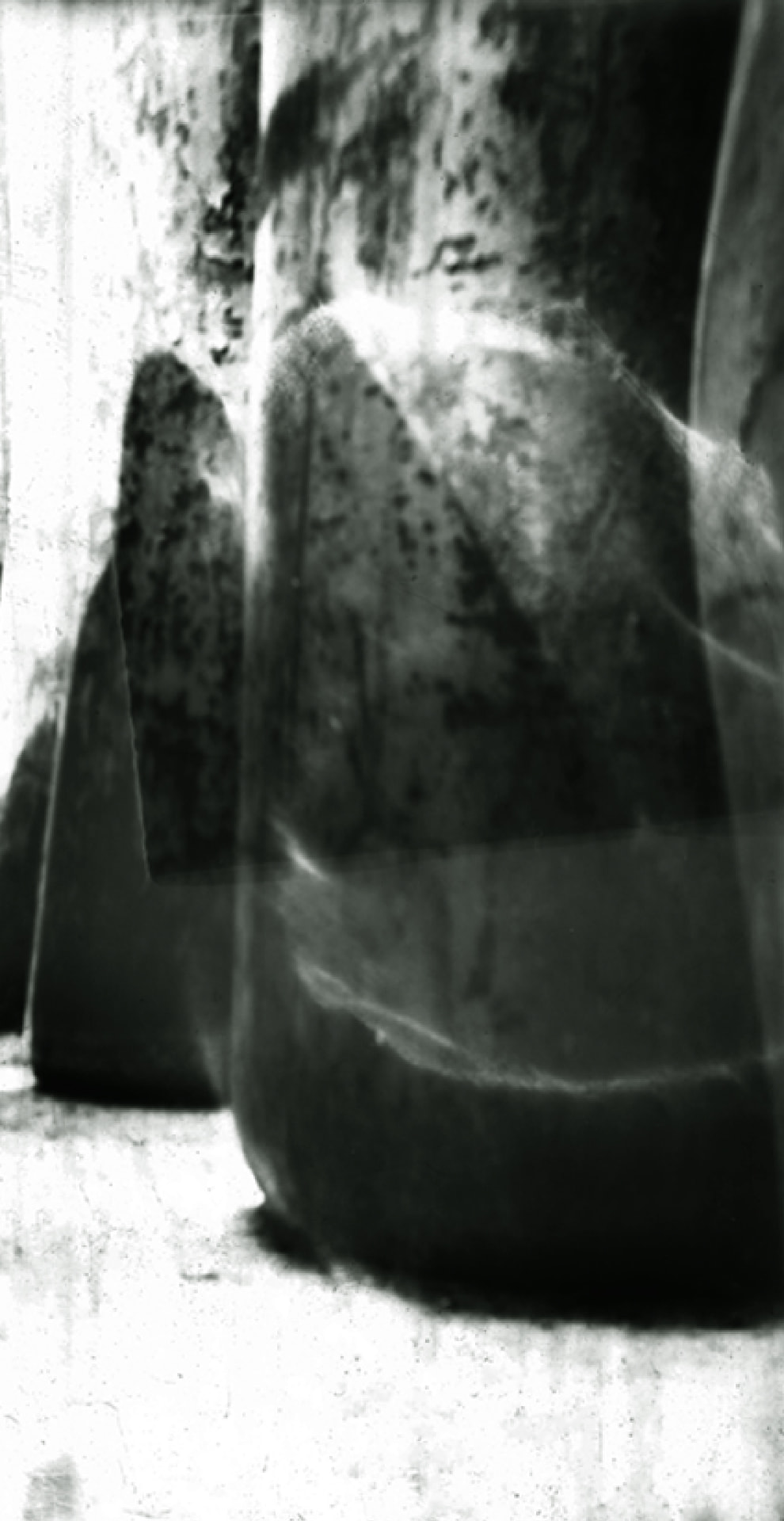
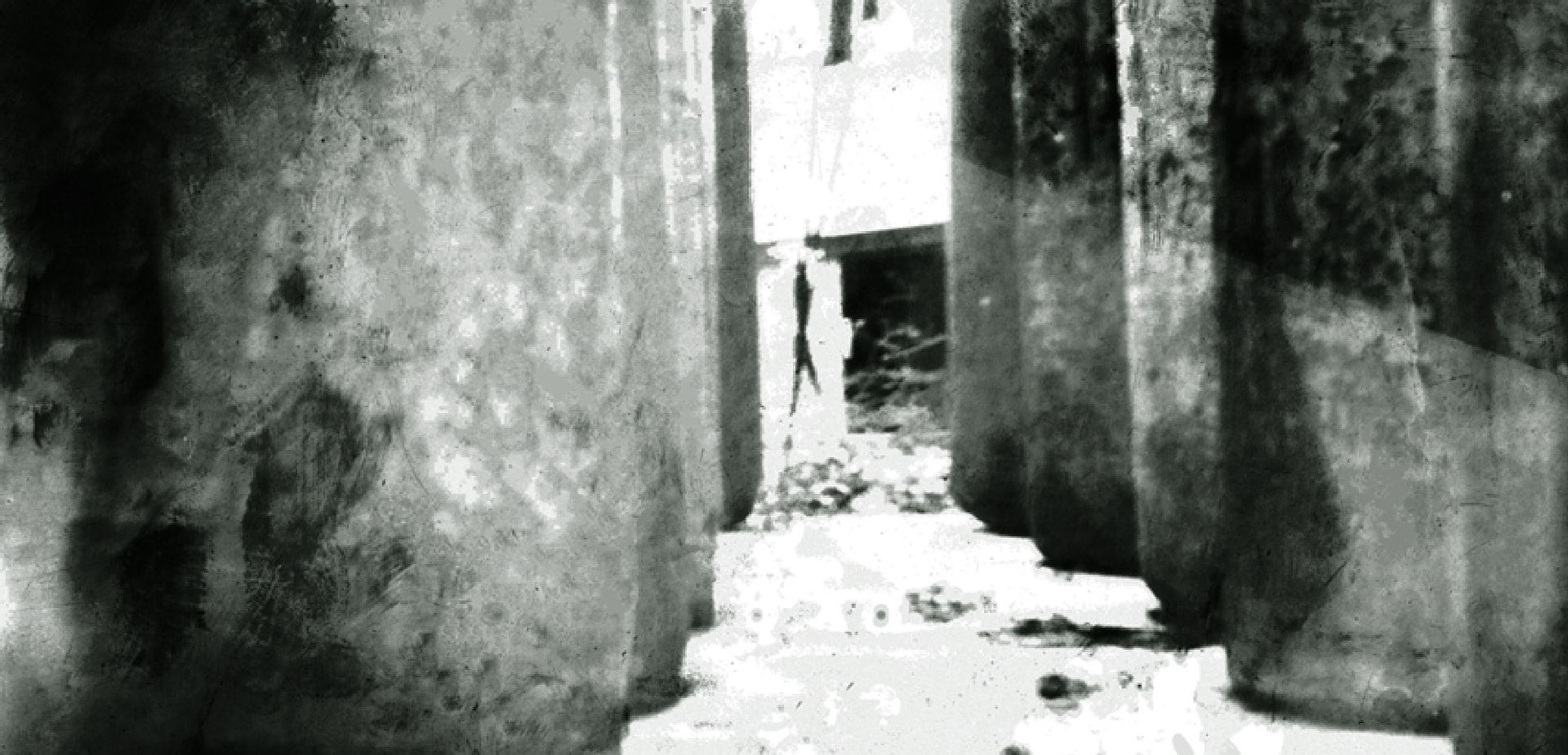
Built from basswood and brass sheet metal, this box functions as five variations of a pinhole camera. Three pinholes opposite the brass curve act as a concave/convex oculus; the other sides produce a flat image. Images are projected onto photo paper on the brass or a removable center piece, all negatives, digitally inverted, exposed from 30 seconds to 3 minutes.
Tested in the harsh desert light of Marfa, the device amplifies the intensity of shade and shadow; the concave and convex backdrops abstract the flatness of the landscape. Each projection was blindly swapped in a portable changing bag and developed in Austin, shown at the UT School of Architecture exhibition “Through the Pinhole”.
Model studies
Pinhole exposure — Marfa
Pinhole exposure — ghost
Pinhole exposure — pipe
Pinhole exposure — pipes
02 — Interlocking parts
Wood Joint
Visual Communications Studio — Fall 2013
Austin, Texas
The study of wood joints began with drawing interlocking hands. After learning how physical forms interlock, a series of foam studies led to a joint made of wood blocks, the fingers of the left hand interlocking over a flattened right. An exercise in creative problem solving: nearly perfect craft, and efficiency.
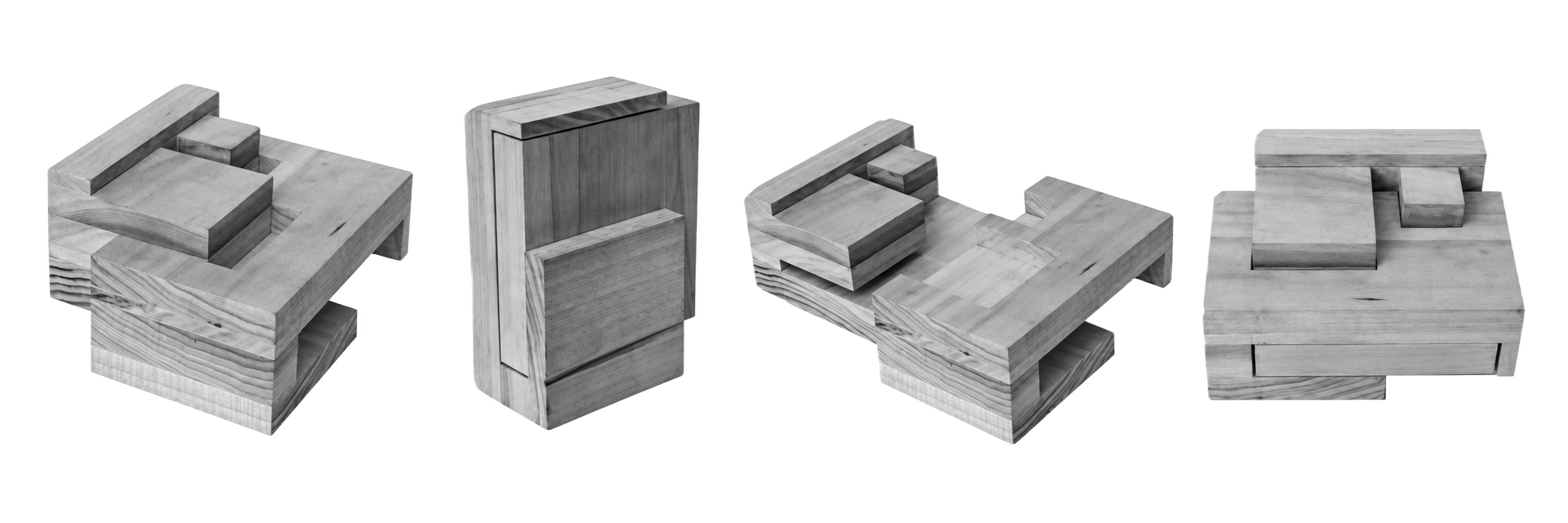
Model studies
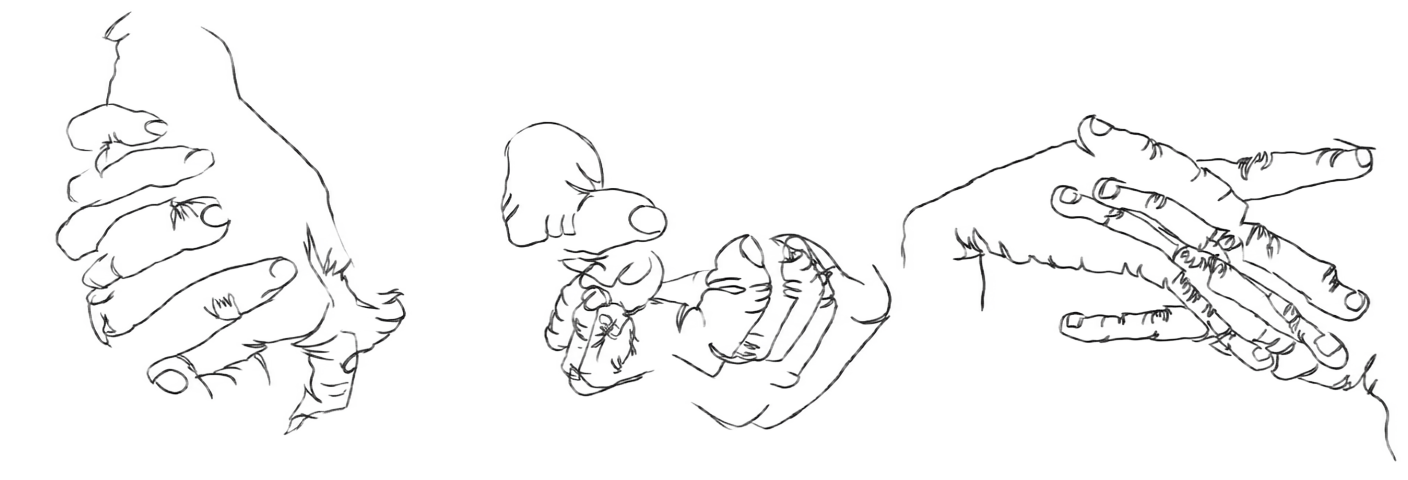
Interlocking hands — studies
03 — Adaptive components
Shell
Advanced Design Studio — Fall 2017
Austin, Texas
This project explores an adaptive component with highly manipulatable parameters. Three components were created in Revit using a series of control points; the radius at the top of the flower is manipulated to investigate the light qualities produced when arrayed as a pattern on a surface in space. The surface, similarly adaptive, was swept over a series of adaptive points.
The result depicts the surface at the human scale, what it would be to interact with it as a space. Whether a stand-alone installation or part of a screening mechanism, adaptation and variance allow for changing light, elements and occupancy.
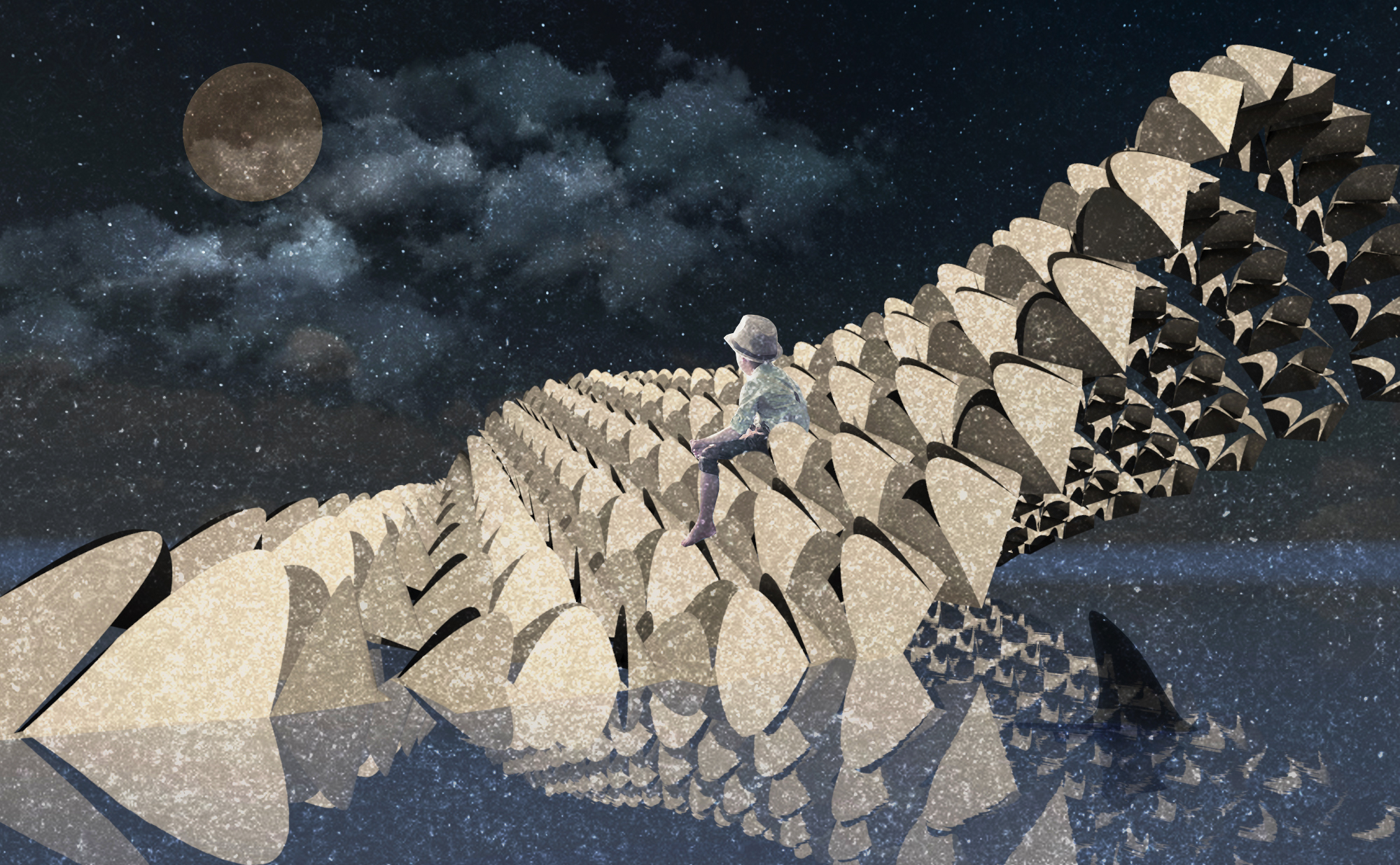
Shell — night rendering
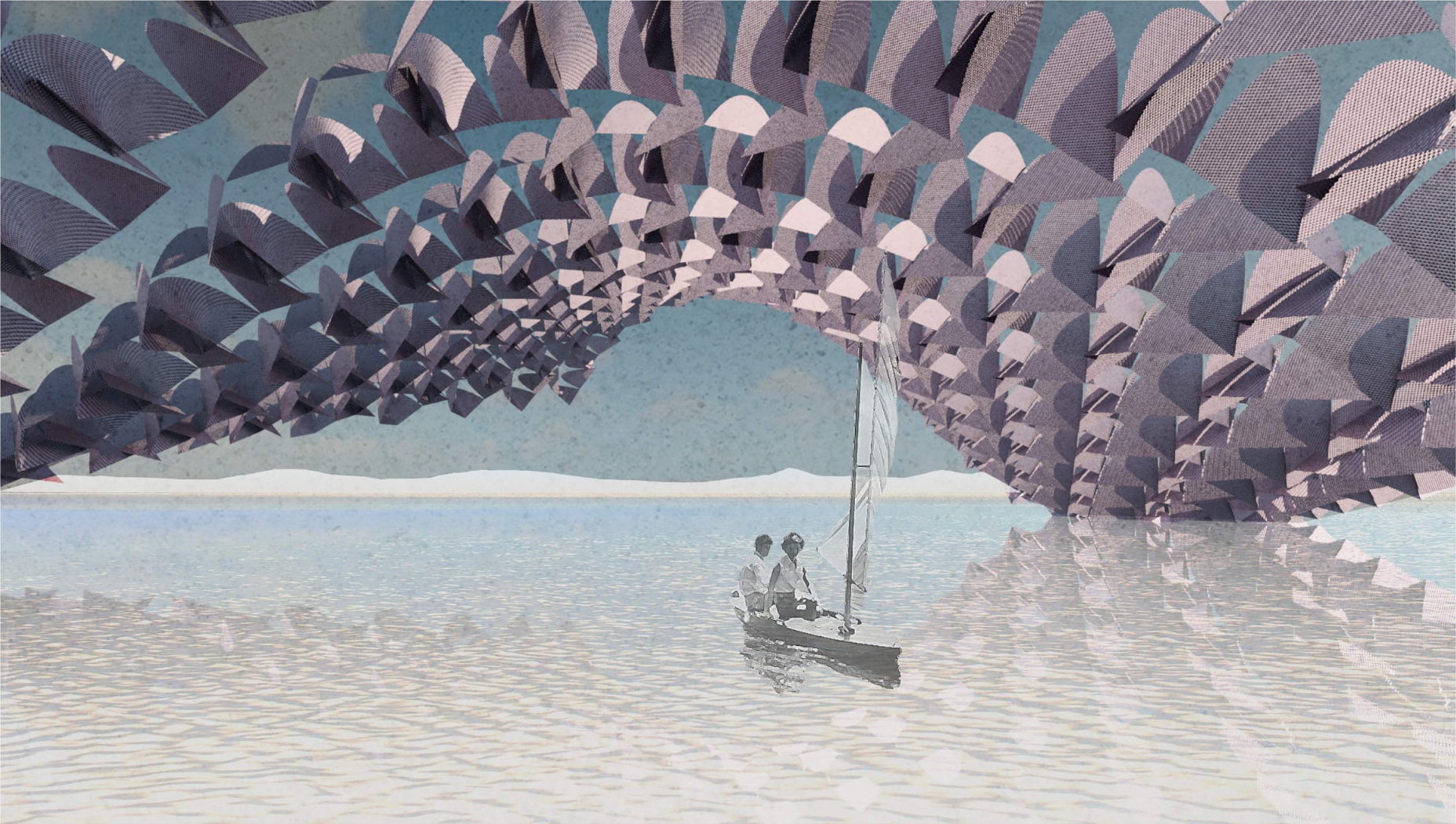
Shell — daytime rendering
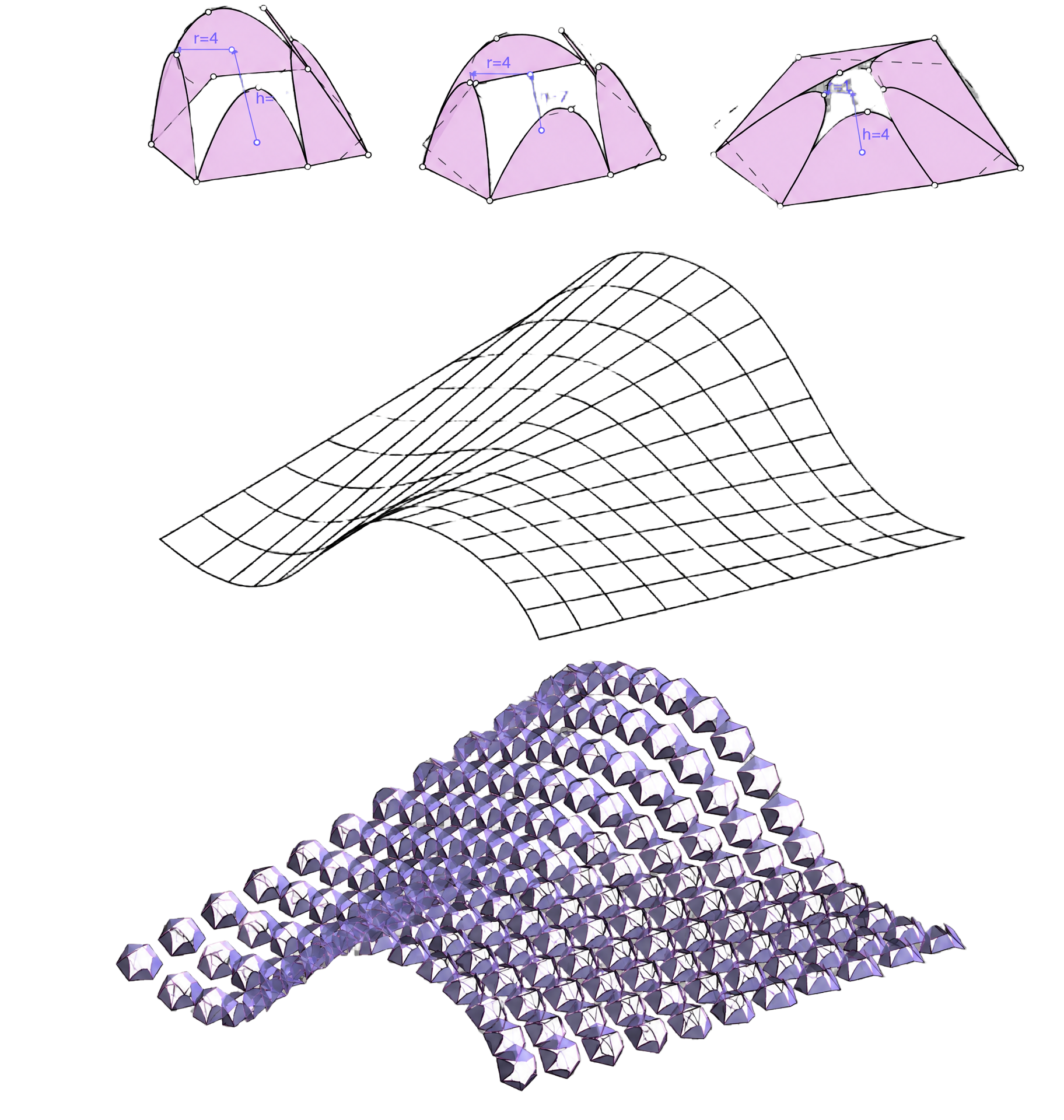
Component & surface diagrams
04 — Grasshopper & 3ds Max
Surface
Visual Communications — Fall 2015
Austin, Texas
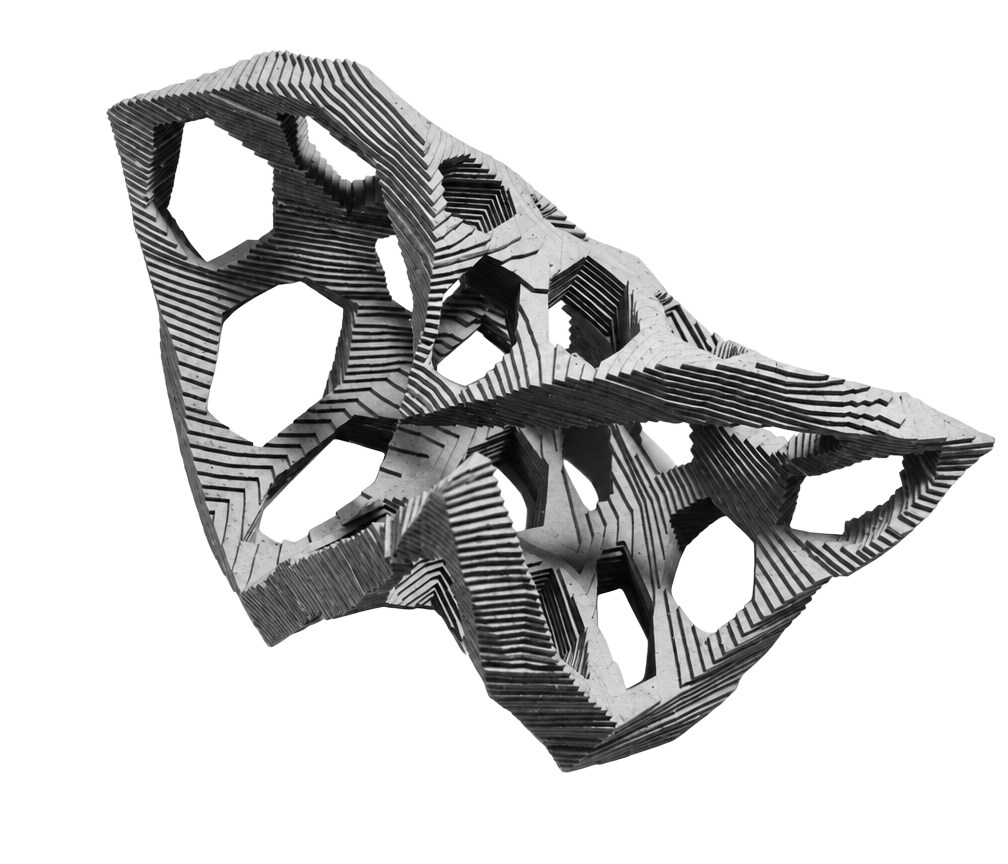
An investigation of Grasshopper and Rhino modeling with 3ds Max rendering. The surface plane was generated in Rhino; thickness and adaptive components were then manipulated in Grasshopper. Dozens of components and a variety of thicknesses and scales were tested, the hexagon stretched to 1¼" by 2½" for a stacked laser-cut model.
Constructed piece by piece, the form occupies roughly the volume of a toaster oven. Texture, weight and ease of construction determined what must be considered when a digital form becomes tangible, asking what the nature of an object is, and how size, texture and location change it.
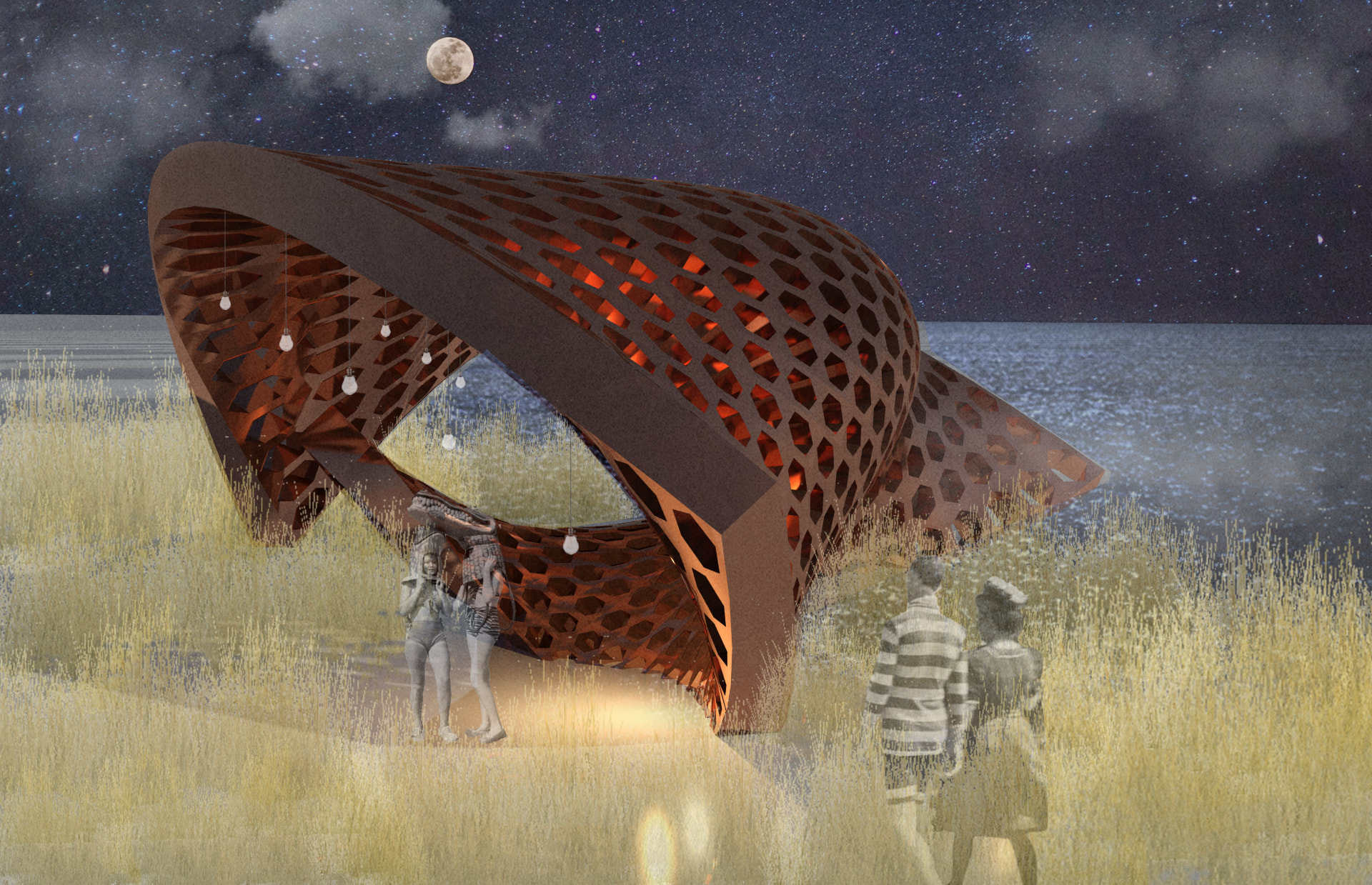
Surface — pavilion rendering
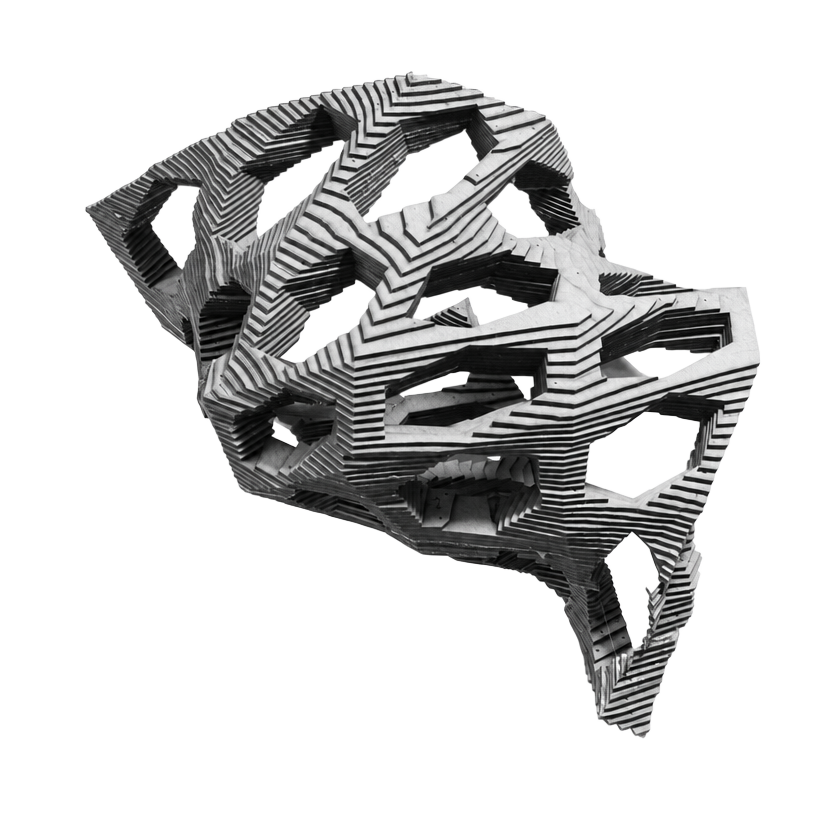
Laser-cut model — view 1
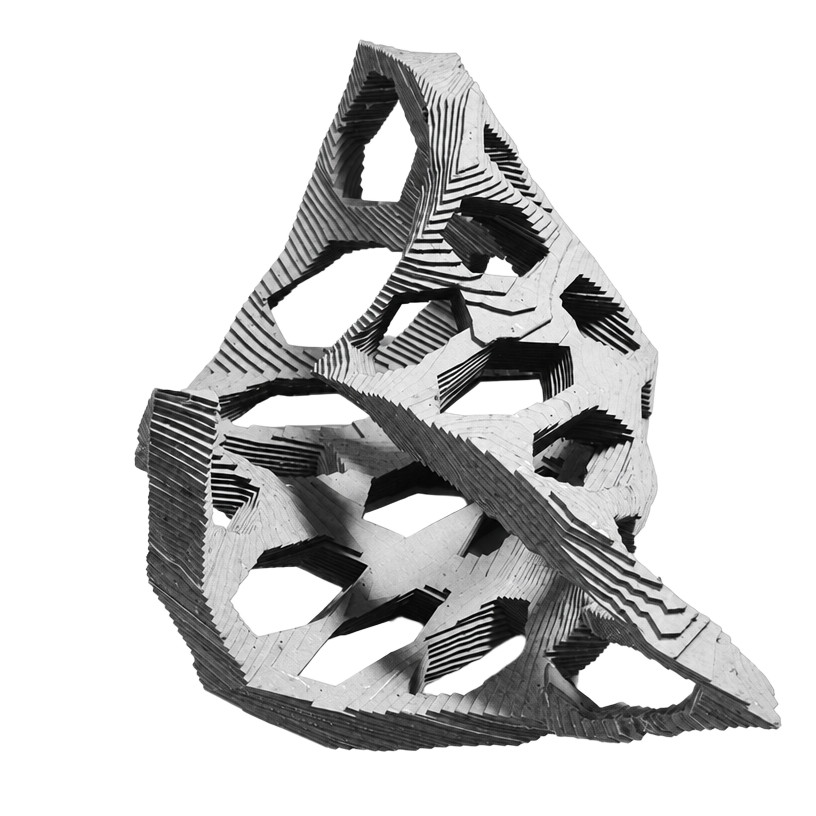
Laser-cut model — view 2
Laser-cut model — view 3
05 — Luminaire
Wolke
Environmental Controls — Fall 2015
Goldsmith Hall loggia
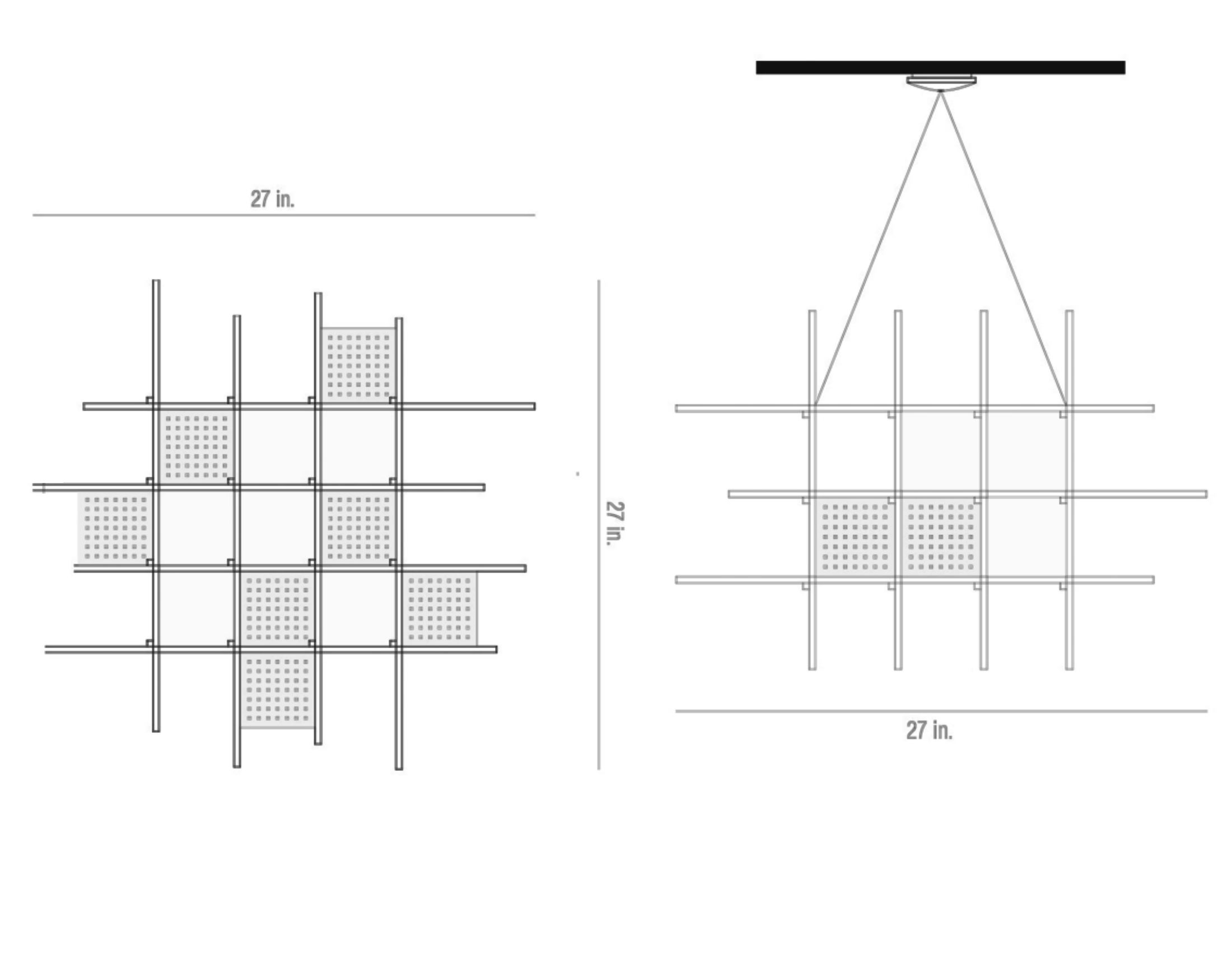
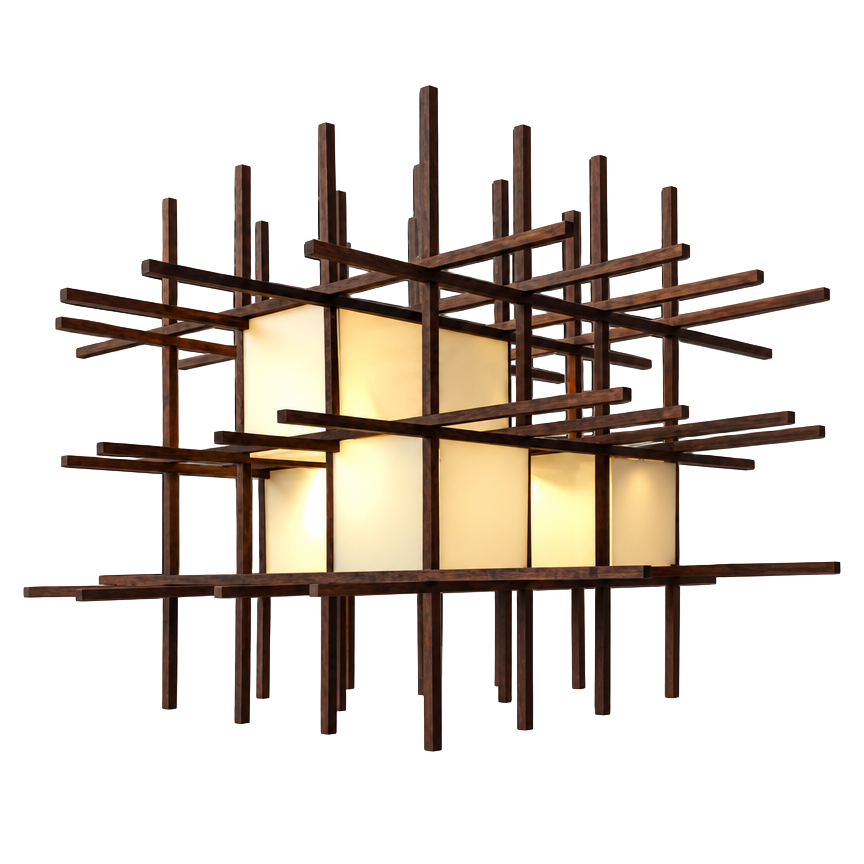
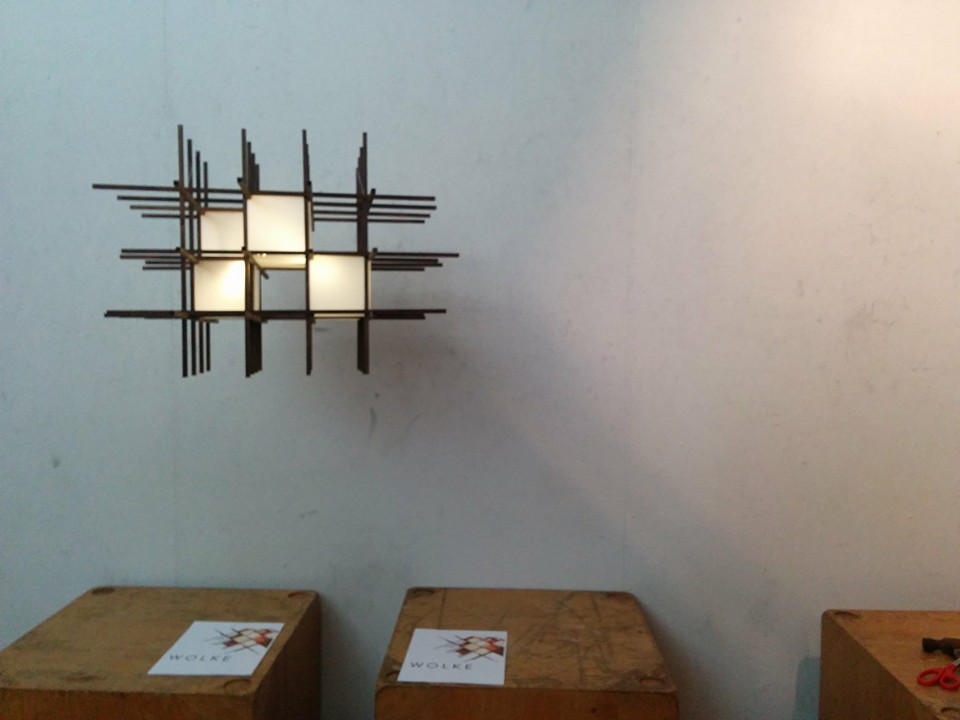
Designed for Goldsmith Hall's outdoor loggia, this luminaire suspends from the ceiling, mimicking the effect of a cloud. Four-inch walnut members intersect horizontally and vertically; shifting planes of perforated wood and frosted glass form a light-diffusing skin for the grid.
Contained within an 18" × 27" × 27" volume, the grid mirrors the geometry of the loggia's exposed concrete ceiling reinforcement. Efficacy is 75 lumens per watt — less wattage for a greater amount of light.
Wolke — dimensioned drawings
Wolke — walnut & frosted glass
Wolke — presentation
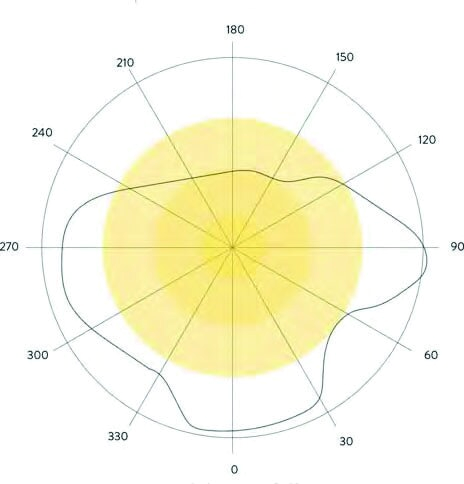
Candela distribution
06 — Space, motion & material
Forms
Watercolor, charcoal, pastel & poché
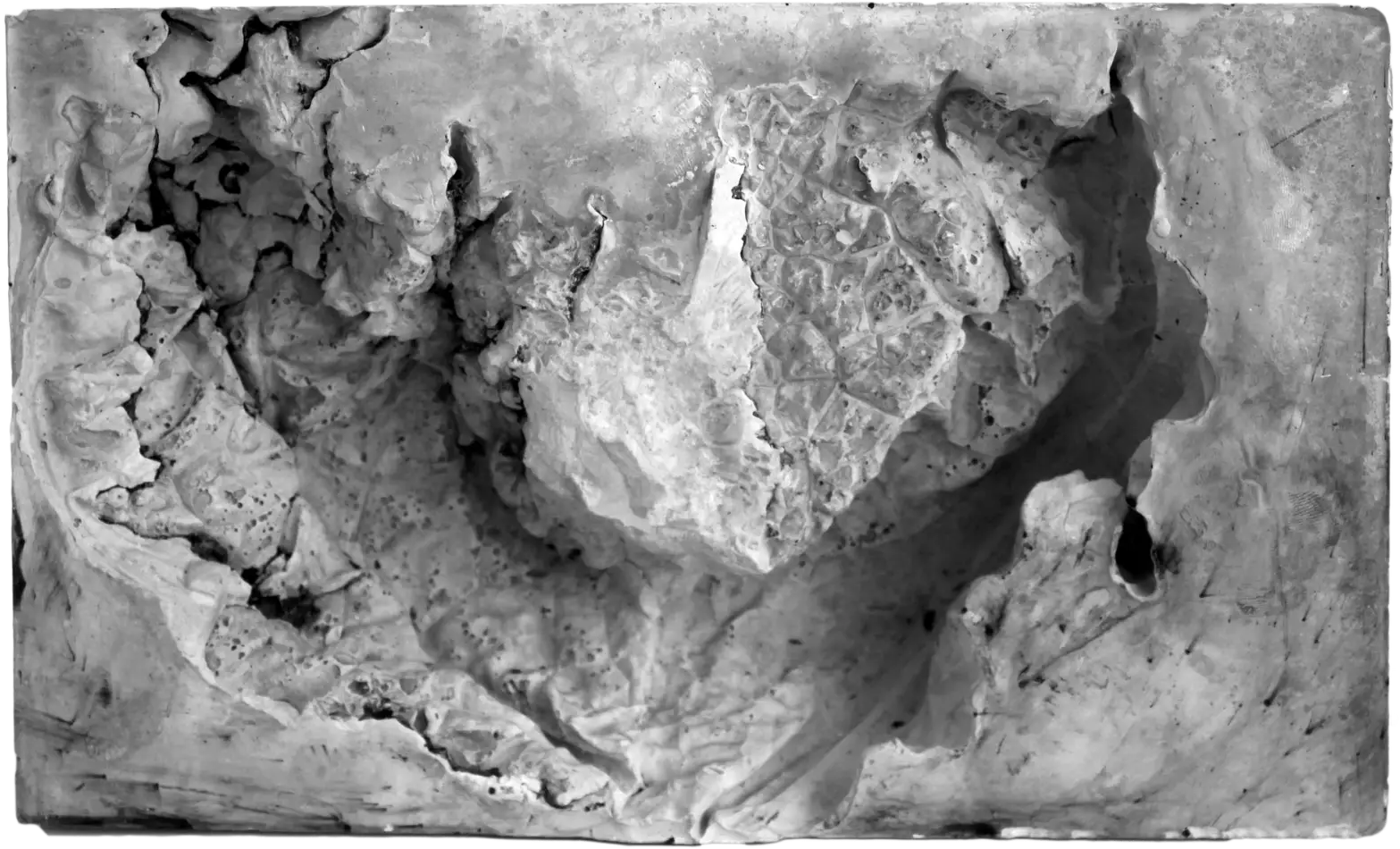
Topographic model study
Visual Communications & Design Studios
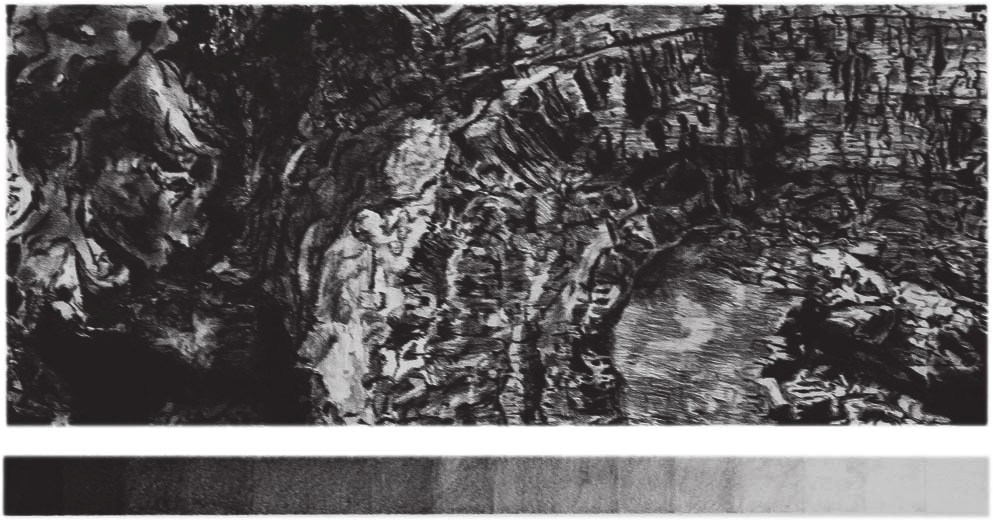
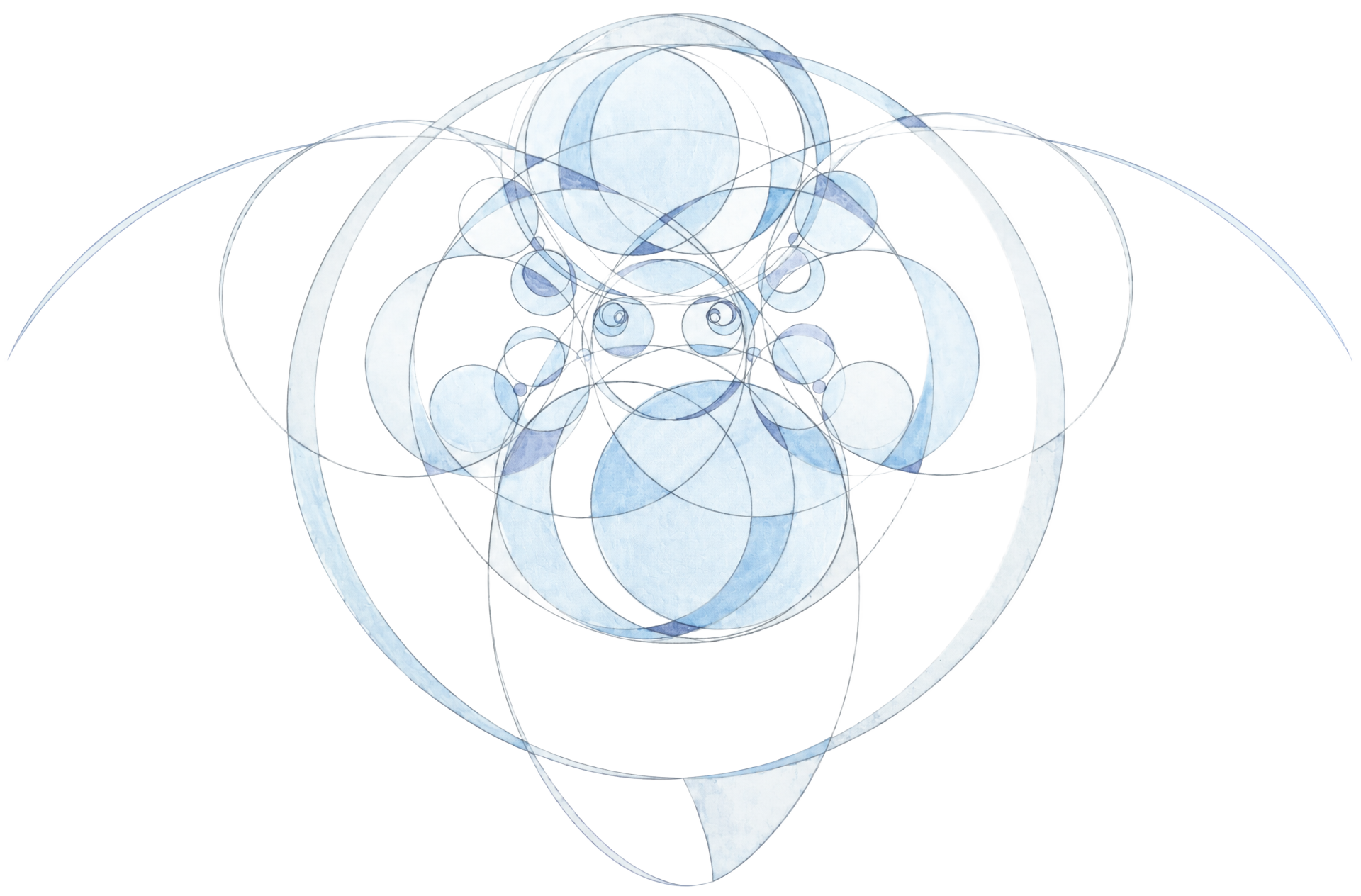
Drawing and model-making offer different ways of understanding space. Watercolor explores geometry, pastel traces motion through space, and charcoal studies texture, shade and shadow. Poché gives weight to the relationship between figure and ground.
A topographic model translates these observations into material, testing proportion, depth and the spaces between forms. Together, these studies move between the hand, the image and the object.